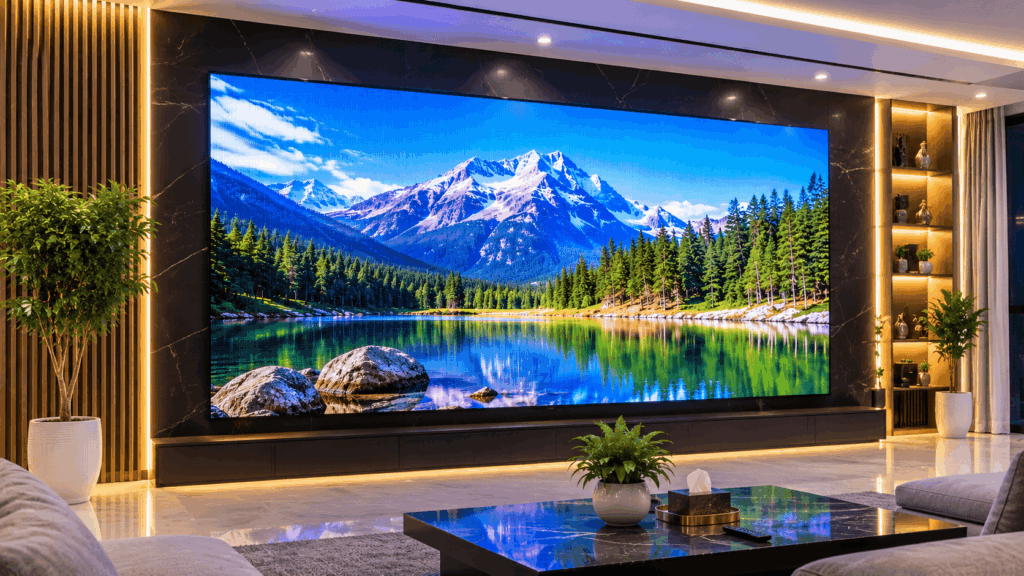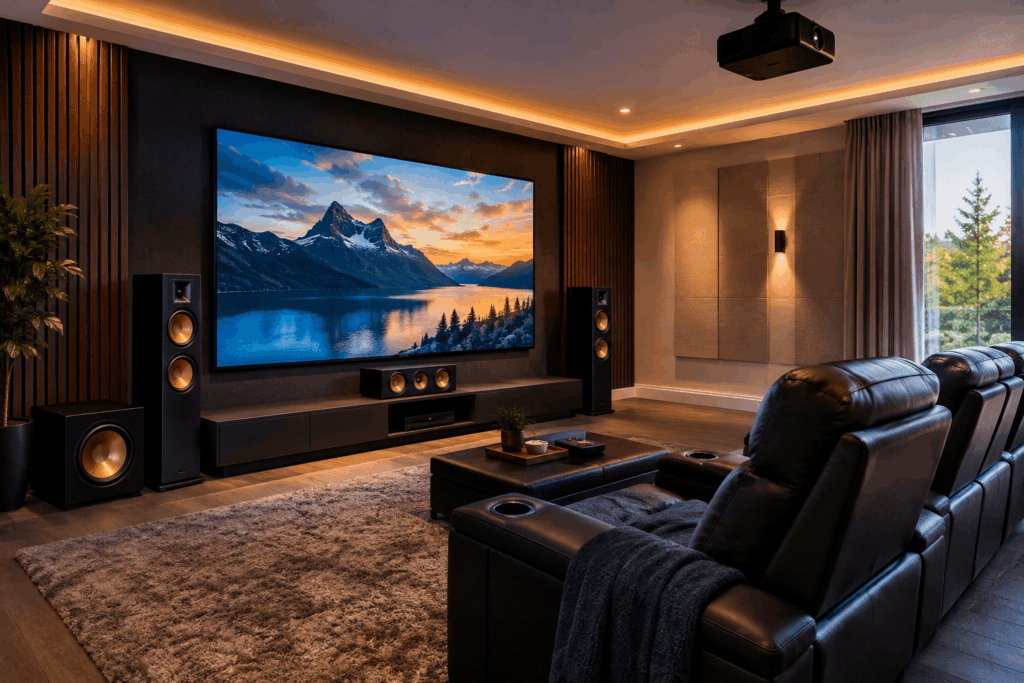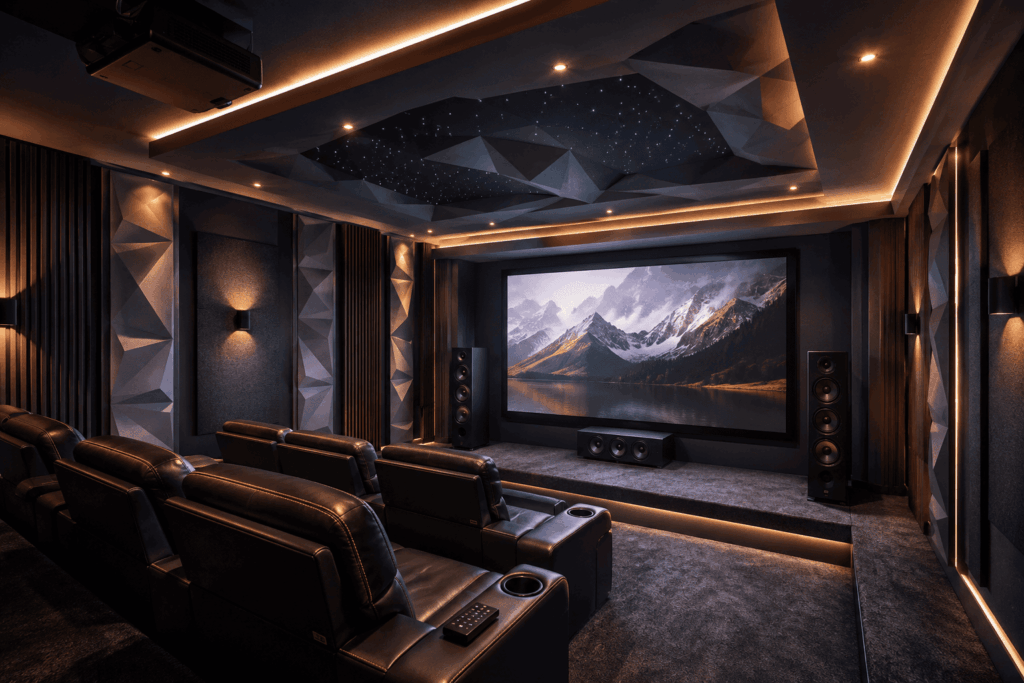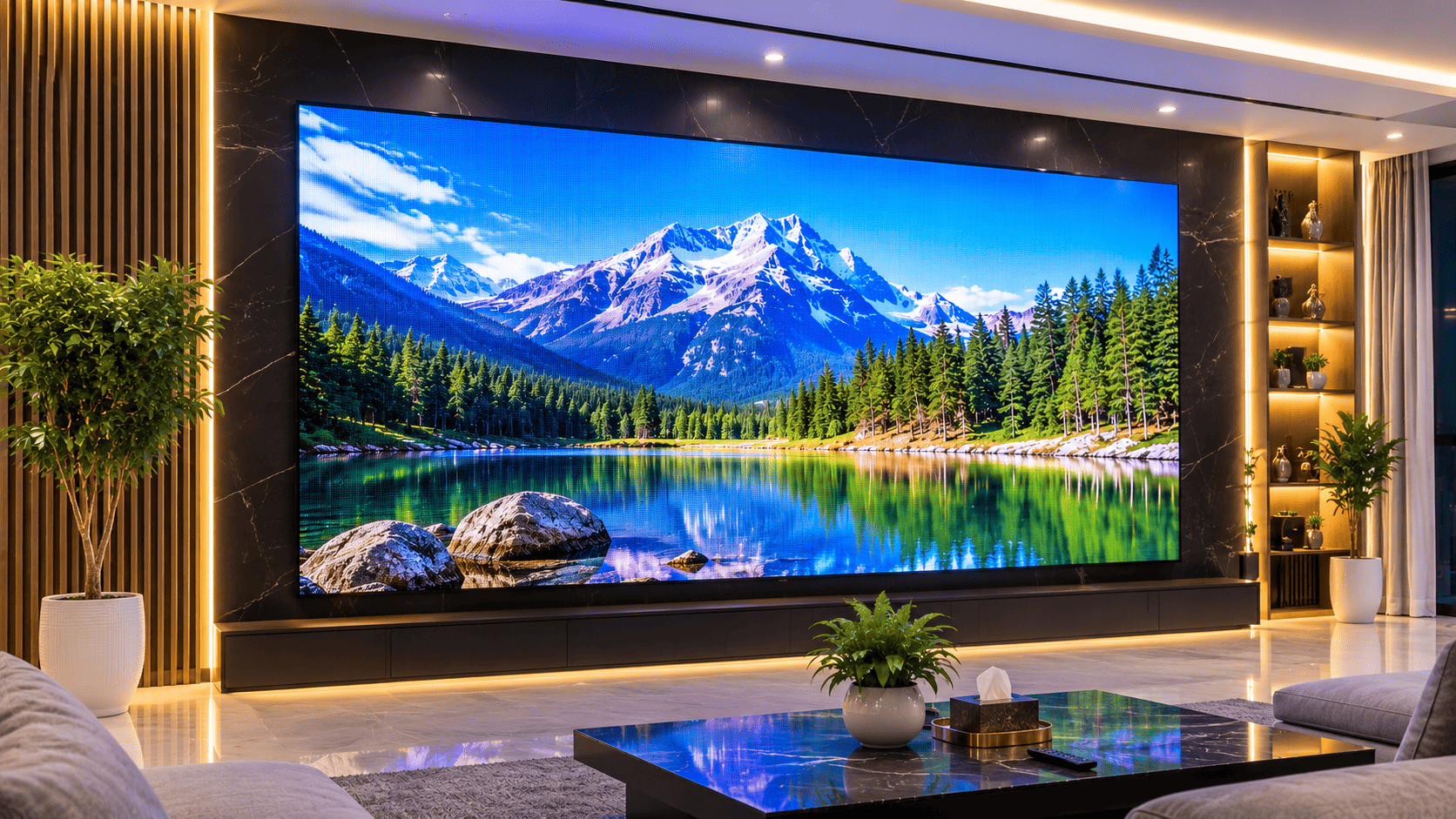
Adoption of LED technology has gained traction as a way of ensuring that businesses, organizations, and event professionals create large and bright displays as well as attractions. Videos, presentations, graphics, and even advertisements can be projected at a huge scale using an LED wall. In comparison with professional projectors, LED displays are able to create bright images without the need to have a separate projection surface. DTV Installations is a qualified audiovisual firm helping businesses choose and install display systems that best suit their areas and communication needs.
What Is an LED Wall?
An LED wall is a large digital wall that consists of boards of LEDs that are connected to create a digital wall. The individual panels collaborate to show pictures, videos, text, and other content.
LED walls are available in different sizes, resolutions, and structures, which are applicable in both mini- and large-scale commercial displays and in-store installations. They also have building blocks with which businesses can make screens to fit within a specific space.
Given that the LED technology can produce its own light, these displays can be bright and viewed in most of the lighting conditions.
LED Video Wall Applications
LED video walls have numerous commercial, entertainment, educational, and public uses. Businesses can utilize LED displays to pass information, sell products, entertain people,e or give them immersive experiences.
Common applications include:
- Boardroom and corporate presentations.
- Display and advertisement of products in retail outlets.
- Dining places and hotels.
- Sporting and entertainment centers.
- Among places where the majority gather is a church.
- Trade shows and trade exhibitions.
- Control rooms and monitoring rooms.
Once the screen information can easily be swapped, an organization can utilize the same screen to be multi-purpose.
LED Display Wall Uses in Businesses
The applications of LED display walls are not limited to advertising. Large display screens can be used to facilitate presentations, video conferences, training, and communication in corporate environments.
They can be used by retail businesses to portray promotions, product videos, branding, and digital signage. Hospitality facilities are able to use LED screens to make a visual impact or communicate with customers.
Since the information provided can be revised online, industries can change their messages without necessarily having to print forms to replace the printed ones.
Commercial LED Wall Installation
There are many possible ways to make an efficient commercial implementation of LED walls, which include not only affixing display panels. It depends on the mount depending on the size of the screen, the distance it will be viewed, wall framing, power supply, source of content, air circulation, and difficulty of replacement in the future.
To make sure that panels are not out of place and that the display system is well mounted and correctly connected, professional installation is recommended. The appropriate arrangement also assists viewers in having a clear view of the content within the target viewing zones.
Businesses should consider the aim and site of the display in order to select the particular LED system.
LED Screen Solutions for Events
LED screen solutions can be great for events, as big screens can entertain audiences as well as provide clear images due to increased distances. LED screens can be applied in various applications in concerts, conferences, weddings, trade shows, and sporting events, as well as corporate events.
Some of the content that might be shown on event screens is speakers, presentations, sponsorship messages, live video, schedules, branding, or visual effects. Depending on the occasion, LED walls may be utilized as a primary display or background, or supporting apparatus.
Benefits of Using an LED Wall
An LED wall has the great benefit of being versatile. One display can deliver a variety of content and can be modified to meet evolving communication requirements.
LED displays can also provide high brightness, visual effectiveness, and versatility of size. The reason is that they are constructed in a modular manner, as the different shapes and sizes of the screens are able to be manufactured under different circumstances depending on the type of environment in which the screen is to be set up.
This flexibility for companies can make sure that an LED wall will be a flexible long-term investment, rather than a one-purpose display.
Conclusion
An LED wall can be used for many purposes, including advertising and corporate presentations, entertainment during events, and even digital communication. LED displays are a flexible method of displaying high-resolution interactive visual data that can be applied to the retail, hotel, educational, entertainment, and business industries. The work of LED walls is professionally brought into commercial installations that require proper planning, installation of the LED walls, and connection and configuration of the system used. The right LED screen solution will enable organizations to create visually compelling images that convey their message and make an impression.
FAQs
What is an LED wall?
Some of the digital content that can be shown on LED walls includes advertisements, videos, presentations, live feeds, graphics, brand adverts, announcements, and any other digital content.
What are some of the common uses of LED video walls?
They are mostly find application in the business sector, retailers, meetings and sports stadiums, churches, and entertainment and event spaces.
Is it possible to use an LED wall outdoors?
Yes. Specific LED systems are out-of-the-box systems designed to be used outdoors, and there are weatherproof parts that can be installed outdoors.
What is an LED wall and projector?
An LED wall produces its own source of light, similar to a projector, which displays the image on another surface. LED walls would be in a position to achieve high brightness and visibility in varying forms of lighting.
Are LED walls professionally installed?
Big systems need professional installation because of the complexities involved in the correct mounting, electrical connections, and placement of the panels, and to set up the system to levels according to the safety level and performance levels.